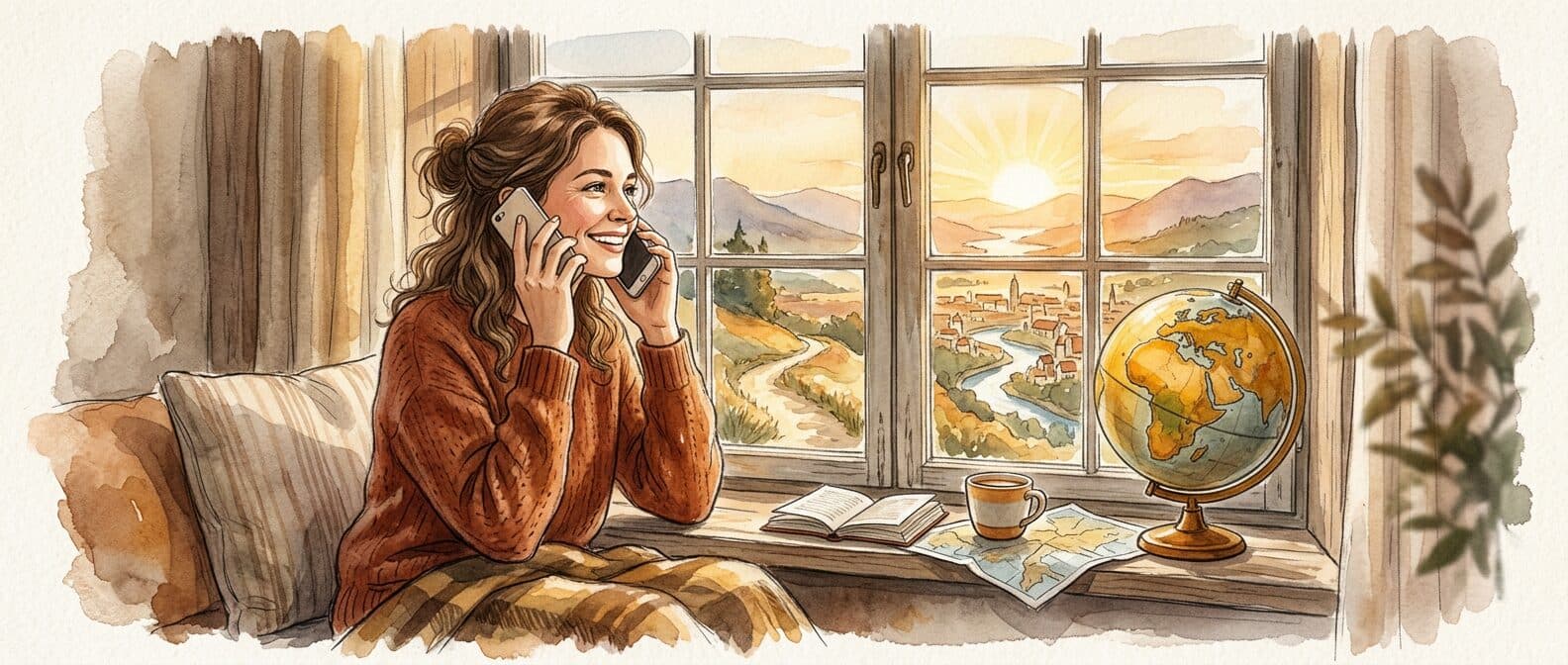
Recording Family Stories When You Live Far Apart
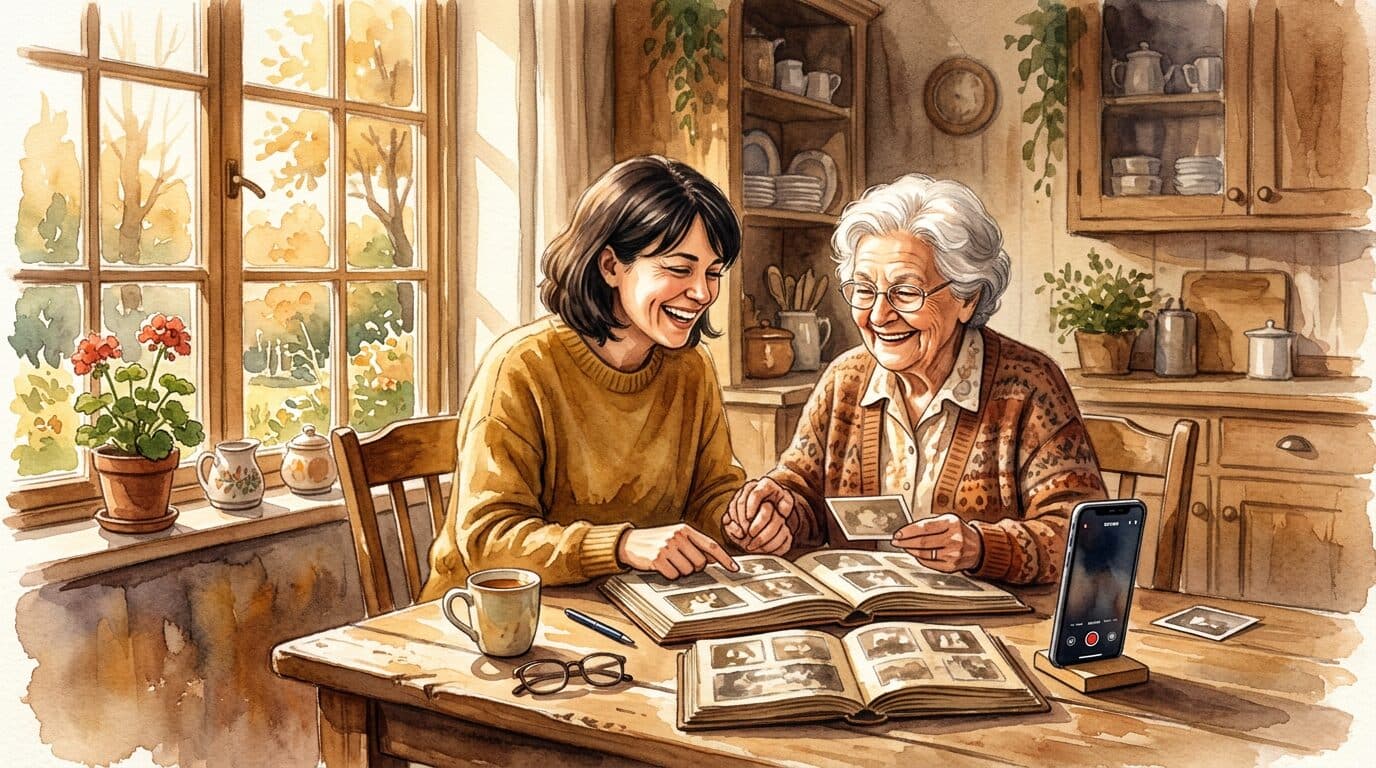
Geography should not stop you from preserving family stories. Practical tips for making remote sessions feel intimate, whether across the city or across the world.
The Journtell Blog
Guides, ideas, and inspiration to help you write and preserve your life story.

Geography should not stop you from preserving family stories. Practical tips for making remote sessions feel intimate, whether across the city or across the world.

For DIY writers who want to go beyond family copies. Print-on-demand options, formatting, cover design, ISBN, and when self-publishing makes sense.

Both are voice-first platforms for preserving family stories. Here is an honest comparison of features, approach, and which one fits your family better.

A life story is not just for descendants. It is for nieces, nephews, friends, communities, and yourself. Everyone deserves to have their story preserved.

Two people, two versions of the same events. How to weave them together into a love story that captures both perspectives and becomes a legacy for your children.

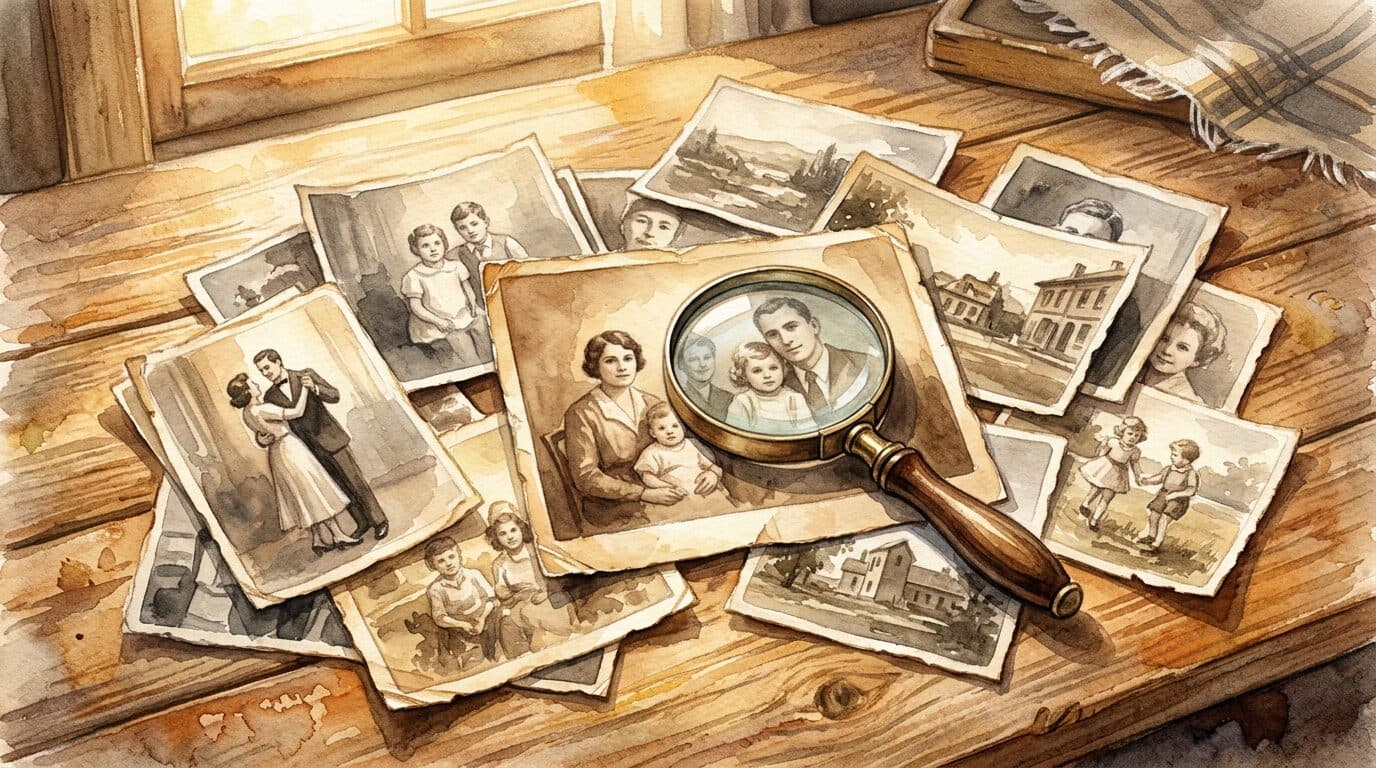
A photograph is a memory trigger. How to use old photos systematically to unlock stories you had forgotten, with a simple technique anyone can follow.

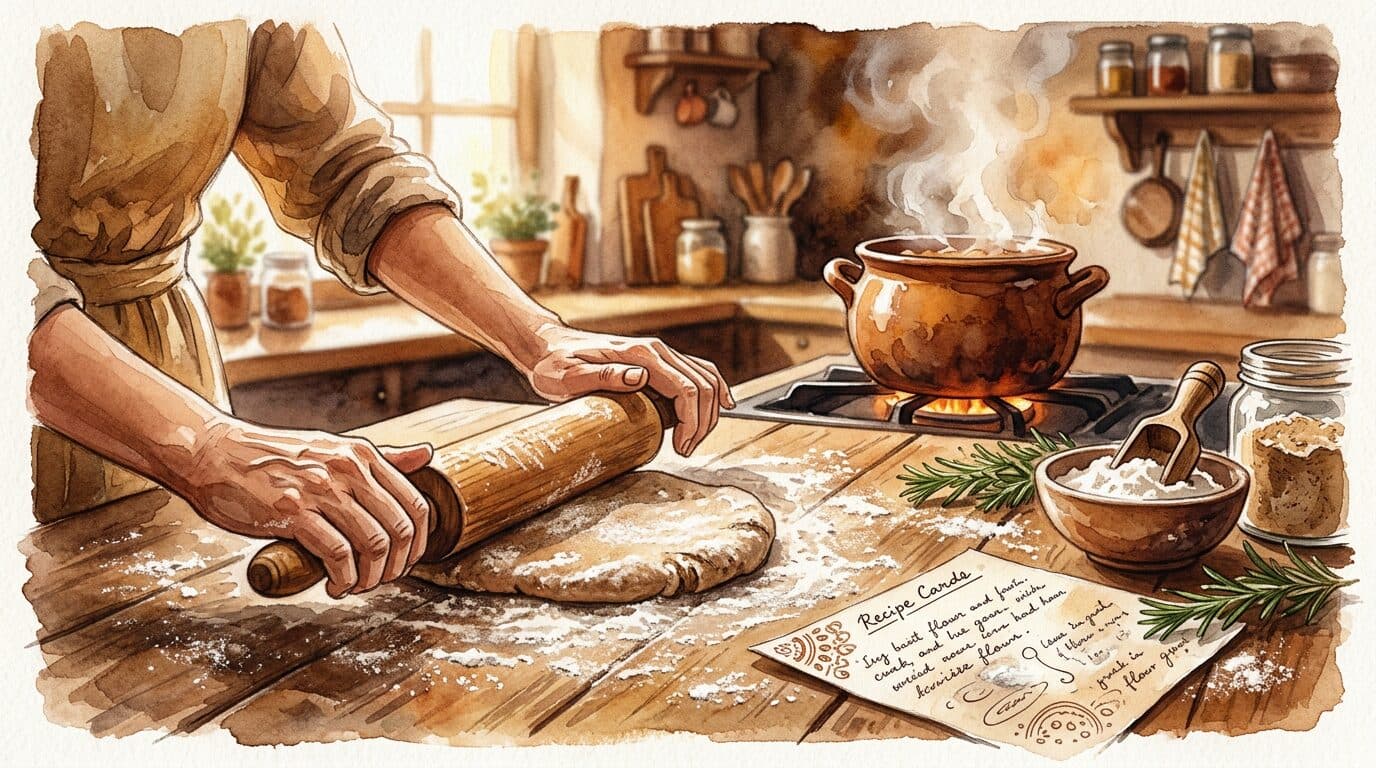
A recipe without the story is just instructions. The stories behind the dishes, who taught you, when you learned, what it means, are the real family heirloom.

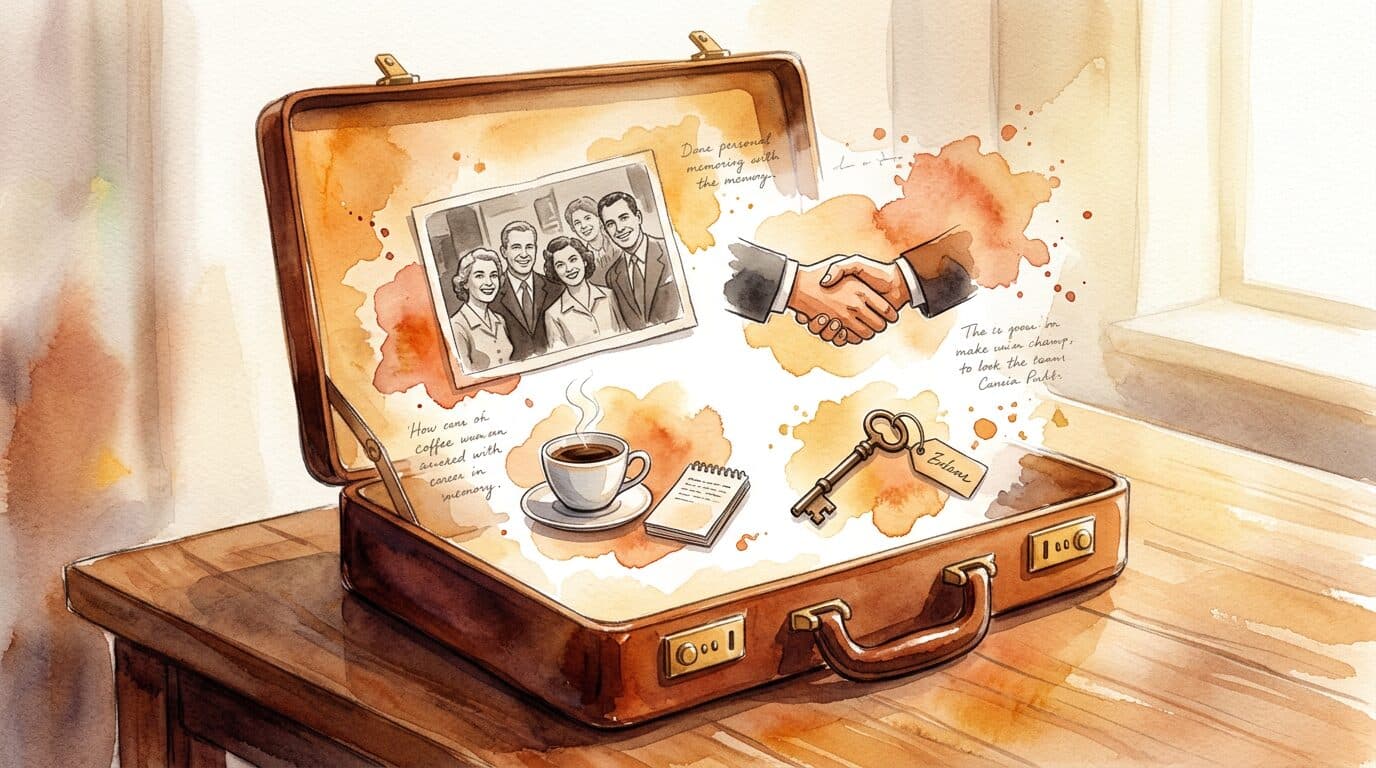
The stories behind the job titles. How to write about your working life in a way that is interesting, personal, and nothing like a CV.

Retirement marks the end of a career and the start of reflection. The best retirement gift gives the retiree a meaningful project and preserves decades of experience.

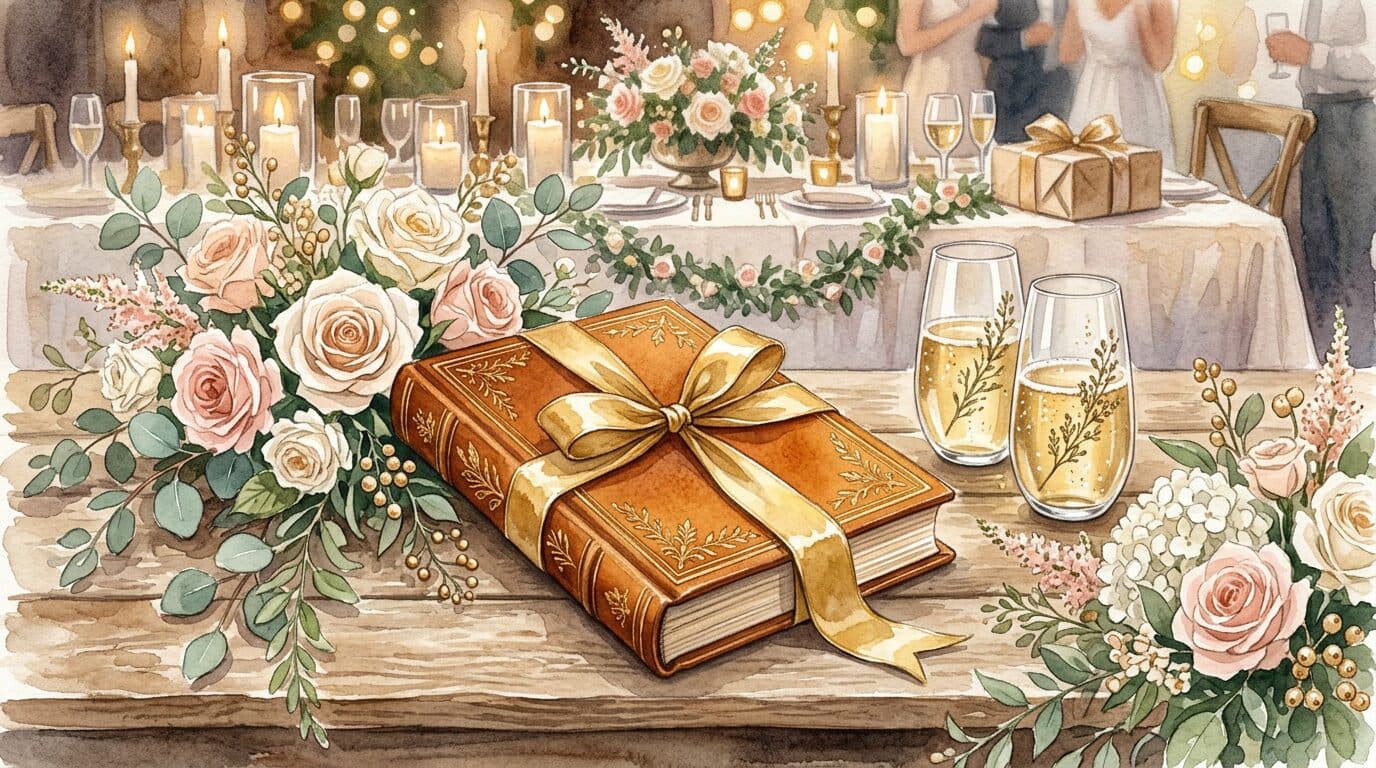
A parent or grandparent's life story, given to a couple at their wedding. The most meaningful gift at the table.

Writing about someone you have lost is painful and healing. How to approach it, when you are ready, and how the act of writing transforms grief into something your family can hold.

Two siblings remember the same holiday differently, and both are right. Why memory is subjective, how to honor multiple versions, and when to let it go.

Life stories do not have to be solemn. Humor makes stories more readable, more honest, and more human. Here is how to trust your funny instincts.

There is no right answer, but there are useful benchmarks. Why quality beats completeness and why thirty great stories are worth more than three hundred pages.

Navigating honesty, privacy, and relationships when your life story includes people who might read it. Practical frameworks for telling your truth without damaging bonds.
Three paths to your life story, honestly compared. Budget, time, quality, and voice preservation: here is how each option stacks up.

A transparent breakdown of what memoir ghostwriters charge at every level, what you get for the money, and when a platform might give you the same result at a fraction of the cost.

Retirement is the ideal time to write your life story. You have the time, the perspective, and more to say than you realize.

Immigrant families often span two languages. Some memories only make sense in the original tongue. Here is how to honor both languages in your life story.

Veterans carry stories they rarely tell. Why military stories are uniquely hard to share, uniquely important to preserve, and how to start the conversation with care.

An honest guide to the apps and services that help you preserve your life story. Voice-first platforms, prompt-based services, DIY tools, and professional ghostwriters compared.

When your parents already own everything they need, the best gift is the one that cannot be bought anywhere else: their own story, told in their own voice, preserved for the family forever.

Fathers are notoriously hard to buy for. A life story book works because it asks him to do something he secretly wants to do: talk about his life.

Flowers fade by Tuesday. A life story book lasts forever. Why the most meaningful gift you can give your mother is the chance to be truly heard.

The book is done. Now what? A practical guide to presenting your life story to family, managing emotional reactions, and making it an event worth remembering.

Memory is imperfect, and that is fine. Techniques for unlocking faded memories and why incomplete stories still make great ones.

Do not start at the beginning. Start with the memory that keeps coming back. Why your first entry matters less than you think, and why the hardest part is just starting.

Painful memories deserve to be told too. Here is how to approach them without being overwhelmed, and why you always control how deep to go.

Self-editing basics for non-writers. When to polish, when to stop, and how to tell the difference between "good enough" and "not quite there yet."

Chronological, thematic, or hybrid? There is no single right way to structure a life story. Here are practical frameworks to help you find yours.

The second most common reason people never write their life story is the belief that their life is not interesting enough. Here is why that belief is wrong, and what actually makes a story engaging.

Grandparents underestimate what grandchildren find interesting. The questions young people actually ask are not about dates and facts. They are about fear, joy, rebellion, and what it felt like to be alive.

When a loved one's memory is fading, every conversation becomes more precious. A practical, compassionate guide to capturing their stories while you still can.

The hardest part of preserving a family member's stories is often the first conversation. Here is how to bring it up without making it feel like an obligation, a project, or a farewell.

Most family stories vanish within three generations. The research is clear, and the pattern is predictable. But it does not have to be inevitable.

A memoir tells one story deeply. An autobiography tells them all. Here is how to decide which format fits your family legacy, and why you might not have to choose.

When they already own everything they need, the best gifts are the ones money cannot quite buy. Ten thoughtful ideas, from experience gifts to a life story book they will never stop talking about.

A sensitive, practical guide to the questions worth asking your ageing parents. How to approach the conversation, what to ask, and how to preserve the stories that matter most.

You have the memories. Modern tools now handle the rest. Here is how today's technology turns spoken memories into a polished life story book, no writing experience required.

Fifty family interview questions designed to draw out real stories, not just facts. Organized by theme, from childhood memories to the moments that shaped a life.

A warm, decade-by-decade collection of life story prompts to help you recall and record your most meaningful memories. From childhood to your sixties and beyond.

An honest comparison of Journtell and StoryWorth, two platforms for preserving family stories. See how they differ on voice recording, story processing, pricing, and more.

Comparing grandparent memory books with digital life story platforms. Which preserves your family stories better, and do you have to choose?

Learn how to interview your parents about their life with practical tips on questions, recording, handling emotions, and preserving their stories for future generations.

Learn how to write your life story step by step. From choosing where to start, to organising your memories, to turning them into a book your family will treasure.

A practical guide to recording your parents' life stories while you still can. Learn the best questions to ask, how to make it feel natural, and what to do with the recordings.

Discover how modern tools make memoir writing effortless. Speak your memories, get polished stories back. No typing, no blank pages, no writing experience needed.

A warm, practical guide to helping your parents preserve their memories. How to bring it up, overcome their resistance, and turn their stories into a book the whole family will treasure.

Decades of research show that telling your life story improves memory, emotional wellbeing, and family resilience. Here is what the science says and why it matters for you.

An ethical will passes on your values and wisdom. A life story book does the same, but with stories, voice, and personality. Here is why you might want both, and which to start with.

You do not need to be a writer to create a life story book. If you can tell a story over tea, you already have the most important skill. Here is how to get started.
Just speak or type your memories. Your Story Team transforms them into a beautifully written life story book.
Start Writing Free